explore glass bottle supply for your business
The Art of Glass Packaging: Elevating Your Brand Using Eco-Friendly Glass Bottles
The art of glass packaging provides brands with an exceptional opportunity for distinction. Through sustainable practices, glass bottles elevate brand aesthetics and connect with sustainability-minded shoppers. Their natural characteristics, such as recyclability and chemical inertness, demonstrate a steadfast commitment to excellence. As organizations traverse this shifting terrain, understanding the multifaceted benefits and challenges of glass packaging becomes essential for long-term success. How are brands leveraging creative approaches to capitalize on these benefits?
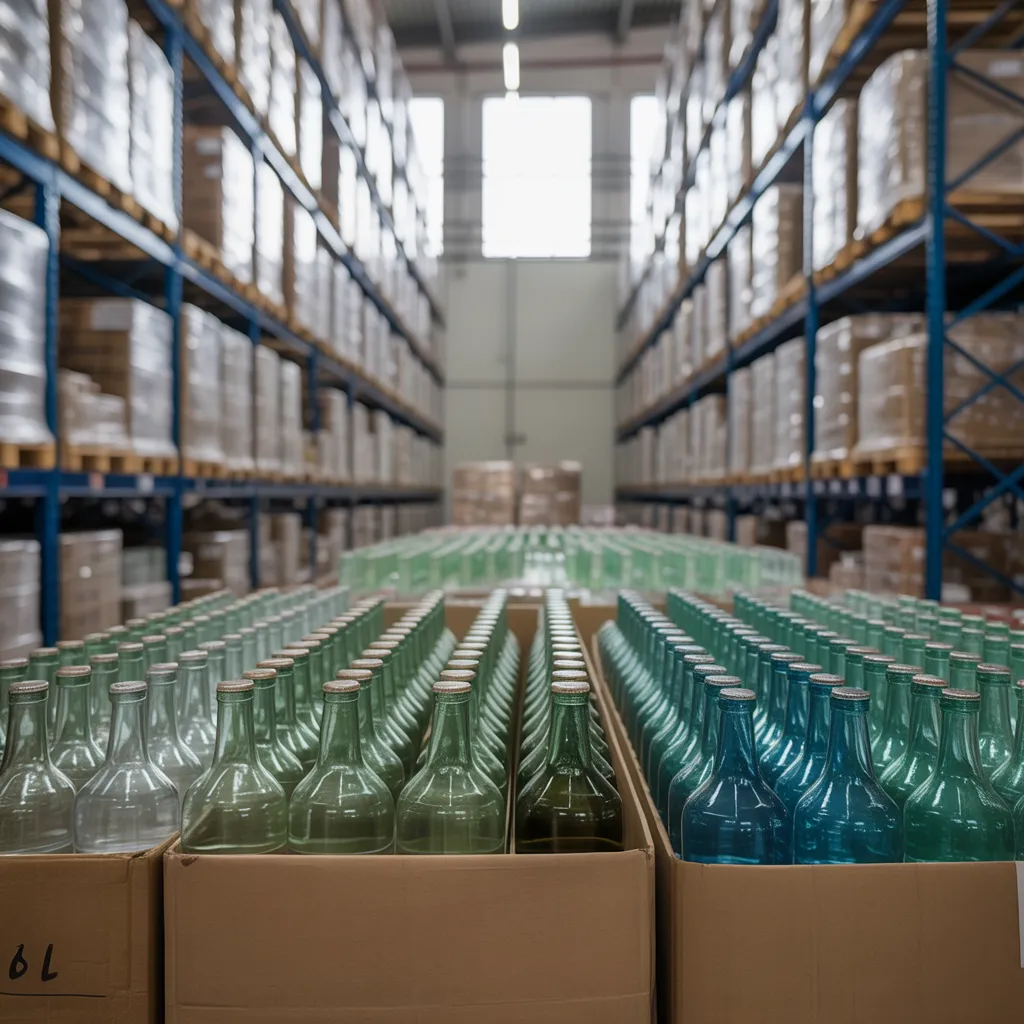
What Makes Glass Packaging the Right Choice for Your Brand
Selecting glass as a packaging material can significantly improve a brand's reputation and eco-friendly commitments. Businesses that select glass demonstrate a commitment to quality and exceptional product encounters, attracting selective buyers who value both visual and practical qualities. Glass delivers a classic and refined aesthetic, strengthening a brand's visual presence while delivering a physical interaction that no alternative material can equal.
Additionally, glass packaging communicates a feeling of wholesomeness and reliability, as it is uncontaminated by dangerous compounds frequently associated with plastic packaging. This option can draw in environmentally conscious consumers who link glass with environmentally sound decisions. Furthermore, its robust construction supports reuse, additionally affirming a brand's devotion to sustainable principles.
In a marketplace growing more conscious of environmental impact, embracing glass supplementary information packaging solutions can set a brand apart fostering loyalty and enhancing consumer trust. In the end, this strategic choice establishes brands as frontrunners in quality and environmental responsibility, reflecting the values of today's consumers.
The Environmental Benefits of Glass Bottles
Glass containers provide significant sustainability benefits that set them apart from competing packaging solutions. These containers are completely recyclable, supporting a sustainable economy where materials can be reused indefinitely without loss of quality. This quality significantly minimizes the need for new materials, thus reducing natural resource extraction and energy expenditure associated with the production process.
In addition, glass packaging is non-reactive, meaning it does not release dangerous compounds into its stored materials, ensuring more secure consumption. As opposed to plastic, glass does not contribute to microplastic pollution, which is a mounting environmental concern.
Glass bottle production also involves lower greenhouse gas emissions compared to plastic alternatives. With advancements in manufacturing processes, energy efficiency has significantly improved, thereby reducing the carbon footprint associated with glass production.
Unique Designs That Transform Glass Packaging
Unique aesthetics in glass packaging are revolutionizing how products are perceived. Distinctive forms and designs not only boost practicality but also draw shopper focus. Moreover, eye-catching color palettes further enhance the visual impact, making glass containers rise above the competition on display.
Exceptional Shapes and Structures
Creative concepts in packaging made from glass not only improve visual attractiveness but also act as a key factor in brand differentiation. Original shapes and configurations can produce unforgettable customer interactions, enabling products to capture attention on busy retail displays. For instance, asymmetrical bottles or geometric designs can spark interest and invite engagement. These original shapes often correspond with a brand's core values, reinforcing its message and values. Beyond that, original designs can boost practicality, like more comfortable use or superior flow. Businesses that commit to original glass design concepts signal commitment to quality and sustainability, attracting environmentally conscious consumers. By championing innovation in their packaging strategies, companies can foster deeper connections with their audience, in turn promoting long-term loyalty and broadening their market reach.
Eye-Catching Color Palettes
Dynamic color schemes play an essential role in enhancing glass packaging, converting standard bottles into captivating visual expressions. By utilizing a deliberate combination of shades, brands can evoke emotions and create memorable experiences for consumers. Bold colors can signify premium quality, while softer tones may convey delicacy and sophistication.
Moreover, the incorporation of multi-toned designs and gradients creates depth and visual interest, capturing attention on busy shelves. Eco-conscious practices additionally boost the appeal; environmentally responsible dyes and finishes connect with mindful consumers. At the core, the perfect color palette not only captures a brand's essence but also underscores its pledge to sustainability, establishing glass packaging as an influential instrument for standing out in a competitive market.
How Does Glass Packaging Enhance Product Perception?
Glass packaging markedly enhances product perception via its upscale feel and visual appeal, creating a sense of luxury for consumers. The inherent transparency and optical clarity of glass offer consumers an unrestricted look at the product, further reinforcing quality. Moreover, choosing glass complements sustainable brand positioning, resonating with eco-minded consumers.
Exceptional Feel And Appeal
The use of glass packaging greatly elevates the recognized quality of a product, often associating it with quality and refinement. Customers often link glass with high-end appeal, resulting in stronger brand dedication and favorable customer interactions. The tactile nature of glass, with its smooth texture and weight, creates a luxurious sensation that plastic cannot replicate. This sensory engagement creates a connection between the product and the consumer, cultivating a sense of excellence. Moreover, glass packaging demonstrates a dedication to sustainability, attracting sustainability-minded customers. As a result, companies using glass packaging can present themselves as superior choices within their markets, attracting discerning customers who value both aesthetics and ethical considerations in their purchasing decisions.
Visual Transparency And Clarity
When buyers discover products in glass packaging, their perception is often enhanced by the natural visual openness and clearness it offers. This transparency allows potential buyers to see the product inside, creating an atmosphere of reliability and credibility. The clarity of glass not only showcases the product's quality but also highlights its color and texture, elevating the overall visual experience. Additionally, the absence of labeling distractions on clear glass allows the product to take center stage, generating a more immersive purchasing journey. Glass vessels can uplift brand standing by expressing a devotion to quality and skill. This visual clarity ultimately influences consumer decisions, promoting a more profound personal relationship with the item and the brand.
Sustainable Brand Positioning
Eco-conscious brands leverage glass packaging to solidify their pledge to environmental responsibility, meaningfully improving the way consumers view their products. Glass projects an image of quality and authenticity, defining a loftier benchmark when measured against plastic counterparts. This material not only emphasizes the ecological values of a brand but also appeals to consumers who prioritize environmentally responsible choices. The physical sensation of glass—its heft and feel—additionally enhances the perceived worth of the product. Moreover, the ability to recycle glass resonates with the rising consumer expectation for eco-friendly practices, fostering brand loyalty. By opting for glass, brands not only demonstrate their commitment to ecological responsibility but also position their products as premium offerings, thereby cultivating a positive image in a competitive marketplace.
How Brands Are Winning With Glass Packaging
A growing number of businesses are flourishing by transitioning to glass packaging, highlighting its attractiveness to buyers and pledge to sustainable practices. For instance, a leading beverage company shifted to glass bottles, leading to a 30% rise in sales within a year. The change not only improved product visibility on shelves but also appealed to eco-conscious consumers, solidifying the brand's sustainability message.
One other cosmetic company successfully changed to glass vessels, significantly enhancing its upscale appeal. This transition drew in a loyal customer base who appreciates both aesthetics and environmental responsibility. Moreover, a specialty beer manufacturer embraced reusable glass containers, building brand loyalty while minimizing waste. These examples demonstrate that glass materials not only fulfill customer expectations for sustainable options but also bolsters brand value and industry presence. These deliberate decisions reflect a growing trend among companies seeking to integrate eco-friendly values into their processes while appealing to modern consumers.
How to Overcome Challenges in Glass Packaging
Steering through the challenges of glass packaging demands forward-thinking solutions and a thorough understanding of the market. Companies often face obstacles such as costly production processes, weight concerns, and fragility. To tackle these, brands can implement advanced manufacturing techniques that minimize material waste and enhance durability. Collaborating with suppliers to obtain eco-friendly materials also minimizes environmental consequences while appealing to eco-aware consumers.
Another challenge involves transportation logistics, considering the substantial weight of glass. Implementing smart logistics solutions, such as refined shipping techniques and innovative packaging designs, can reduce expenses and ensure product protection while in transit. Additionally, raising consumer awareness regarding glass's superiority over plastic can foster brand loyalty and drive demand. By embracing these strategies, companies can surmount challenges in glass packaging and distinguish themselves as innovators in eco-friendly practices, ultimately enhancing their brand image and market presence.
Upcoming Trends in Sustainable Glass Packaging
As the demand for sustainable packaging continues to rise, the glass packaging industry is set for remarkable evolution. Advancements in production methods are anticipated to improve energy performance, lowering the environmental impact linked to glass manufacturing. Additionally, the integration of lightweight glass bottles will establish itself as a major trend, decreasing transportation emissions while maintaining product integrity.
Recycling initiatives will become more robust, with enhanced partnerships between manufacturers and municipalities to advance glass recovery and handling. Moreover, the incorporation of intelligent technology within packaging will enable enhanced visibility across the supply chain, empowering companies to highlight their environmental commitments with impact.
Consumer preferences for eco-friendly products will also drive the development of personalized, attractive design solutions, blending practicality with aesthetic charm. With sustainability becoming a top priority for brands, the glass packaging sector is set to redefine its approach, harmonizing with global sustainability targets while fulfilling the needs of an eco-conscious audience.
Common Questions and Answers
What Are the Costs Associated With Glass Packaging Compared to Plastic?
Packaging made from glass typically carries greater expenses due to production, transportation, and recycling processes when compared to plastic alternatives. That said, it delivers eco-friendly benefits and stronger brand positioning, which can justify the investment for some businesses.
How Do I Customize Glass Bottles for My Brand?
Companies can customize glass containers through distinctive shapes, hues, and textures. Custom labels, engravings, and printed artwork enhance brand image. Partnering with vendors guarantees adherence to eco-friendly initiatives all while preserving visual appeal and practicality.
Do Specific Regulations Exist for Glass Packaging?
Indeed, particular regulations for glass packaging are in place, varying by region. Such regulations encompass safety standards, labeling requirements, and recycling guidelines, ensuring consumer safety and environmental responsibility while promoting sustainable practices in packaging manufacturing and distribution.
What Are the Most Effective Best Practices for Recycling Glass Bottles?
To recycle glass bottles effectively, residents should wash them thoroughly to clear out any remaining contents, detach any lids or caps, and organize them according to color. In addition, they should check local guidelines for specific recycling protocols and drop-off locations to make certain they are processed appropriately.
How Does Glass Packaging Affect Shipping and Logistics?
Glass packaging significantly impacts the shipping and logistics process by adding weight and fragility, demanding meticulous handling and dedicated transportation methods. This often leads to increased expenses and more complicated supply chain operations when compared to lighter and more resilient materials.